Full Convert is designed for ease of use and reliability to make sure you get your job done as quickly and as simply as possible.
CSV is also known as TSV, Flat file, Comma-separated text, TAB-separated text (: csv, tsv, txt).
Full Convert is a fully self-tuning software. Your migration will work as expected without you needing to adjust anything.
Data types are different in CSV compared to Oracle RDB. We automatically adjust them as we copy the tables so you don't have to worry about it. You can adjust the mapping rules if you wish to change the following defaults:
Compared to earlier versions or competing software, Radar 10 offers:
Utilized a classic Windows-style windowed interface with separate modules for the repertory, patient management (WinChip), and materia medica.
Getting running is straightforward, but follow these tips:
: Radar 10 used a segmented, multi-window layout. RadarOpus introduces a sleek, tab-based design similar to a modern web browser. 3. Core Features of RadarOpus on Windows
Homeopathic practice relies heavily on the speed, accuracy, and depth of case analysis. For decades, computerized repertorization has been the backbone of modern homeopathy, helping practitioners navigate tens of thousands of symptoms and remedies. When researching professional tools, you will frequently encounter two major generations of the same software family: and its modern successor, RadarOpus .
Includes full-text versions of Boericke, Clarke, Allen, Hering, Phatak, Vermeulen, and many more – all cross-referenced to the repertory.
Minimizes human error when cross-referencing massive, multi-volume repertories.
A "Single Interface" solution. It combines the repertory, materia medica, and patient management into one window. It is compatible with both 🛠️ Key Features & Capabilities
Whether you are a seasoned clinician with thousands of cases or a student just beginning your journey into the Organon, understanding the power of Radar 10 is essential. This article provides a comprehensive deep dive into RadarOpus, exploring its features, the power of version 10, why it dominates the Windows platform, and how it compares to other repertorization tools.
┌────────────────────────────────────────────────────────┐ │ RADAROPUS │ ├───────────────┬──────────────────┬─────────────────────┤ │ REPERTORY │ MATERIA MEDICA │ PATIENT FILES │ │ (Synthesis) │ (Digital Library)│ (GDPR/HIPAA Secure) │ └───────────────┴──────────────────┴─────────────────────┘ 3. Direct Comparison: Radar 10 vs. RadarOpus
If you are tempted to find an old copy or a cracked version of Radar 10 for Windows, you should reconsider. Here is why investing in or upgrading to RadarOpus is the only logical choice for your practice: 1. Full Windows 11 and Mac Compatibility
Visit the official RadarOpus website to download a free 30-day trial of Radar 10 for Windows. Experience the difference that professional software makes in your very next case.
In the old Radar 10 system, practitioners had to jump between separate programs: for repertorization, Encyclopedia Homeopathica (EH) for reading Materia Medica, and WinChip for patient files.
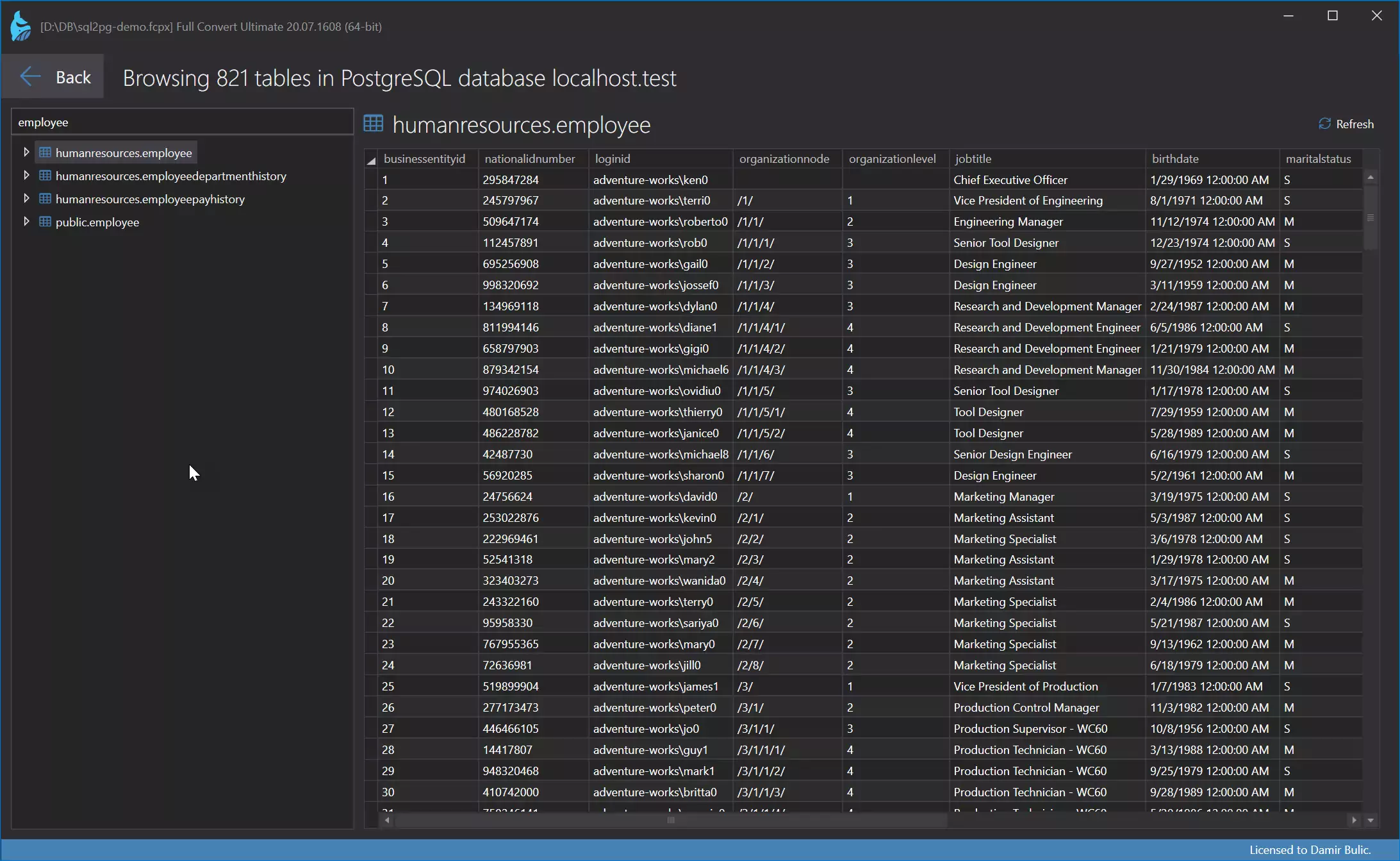
Use our built-in database browser to examine the copied data. Of course, you can also examine the conversion in detail and see in-depth information for each table.
Full Convert is used by thousands of organizations in 98 countries.
Compared to earlier versions or competing software, Radar 10 offers:
Utilized a classic Windows-style windowed interface with separate modules for the repertory, patient management (WinChip), and materia medica.
Getting running is straightforward, but follow these tips:
: Radar 10 used a segmented, multi-window layout. RadarOpus introduces a sleek, tab-based design similar to a modern web browser. 3. Core Features of RadarOpus on Windows Radar 10 Homeopathic Software For Windows Radaropus
Homeopathic practice relies heavily on the speed, accuracy, and depth of case analysis. For decades, computerized repertorization has been the backbone of modern homeopathy, helping practitioners navigate tens of thousands of symptoms and remedies. When researching professional tools, you will frequently encounter two major generations of the same software family: and its modern successor, RadarOpus .
Includes full-text versions of Boericke, Clarke, Allen, Hering, Phatak, Vermeulen, and many more – all cross-referenced to the repertory.
Minimizes human error when cross-referencing massive, multi-volume repertories. Compared to earlier versions or competing software, Radar
A "Single Interface" solution. It combines the repertory, materia medica, and patient management into one window. It is compatible with both 🛠️ Key Features & Capabilities
Whether you are a seasoned clinician with thousands of cases or a student just beginning your journey into the Organon, understanding the power of Radar 10 is essential. This article provides a comprehensive deep dive into RadarOpus, exploring its features, the power of version 10, why it dominates the Windows platform, and how it compares to other repertorization tools.
┌────────────────────────────────────────────────────────┐ │ RADAROPUS │ ├───────────────┬──────────────────┬─────────────────────┤ │ REPERTORY │ MATERIA MEDICA │ PATIENT FILES │ │ (Synthesis) │ (Digital Library)│ (GDPR/HIPAA Secure) │ └───────────────┴──────────────────┴─────────────────────┘ 3. Direct Comparison: Radar 10 vs. RadarOpus and WinChip for patient files.
If you are tempted to find an old copy or a cracked version of Radar 10 for Windows, you should reconsider. Here is why investing in or upgrading to RadarOpus is the only logical choice for your practice: 1. Full Windows 11 and Mac Compatibility
Visit the official RadarOpus website to download a free 30-day trial of Radar 10 for Windows. Experience the difference that professional software makes in your very next case.
In the old Radar 10 system, practitioners had to jump between separate programs: for repertorization, Encyclopedia Homeopathica (EH) for reading Materia Medica, and WinChip for patient files.