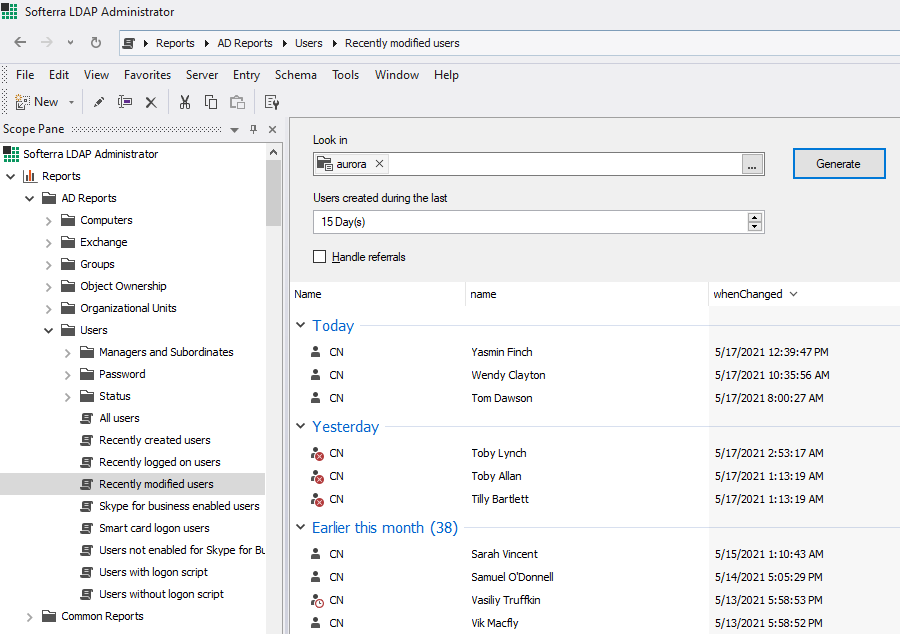
LDAP Administrator allows you to manage multiple directories with ease. Quick navigation, handy attribute editors, bulk object modification, and plenty of other features provide for an intuitive and efficient LDAP server management experience.
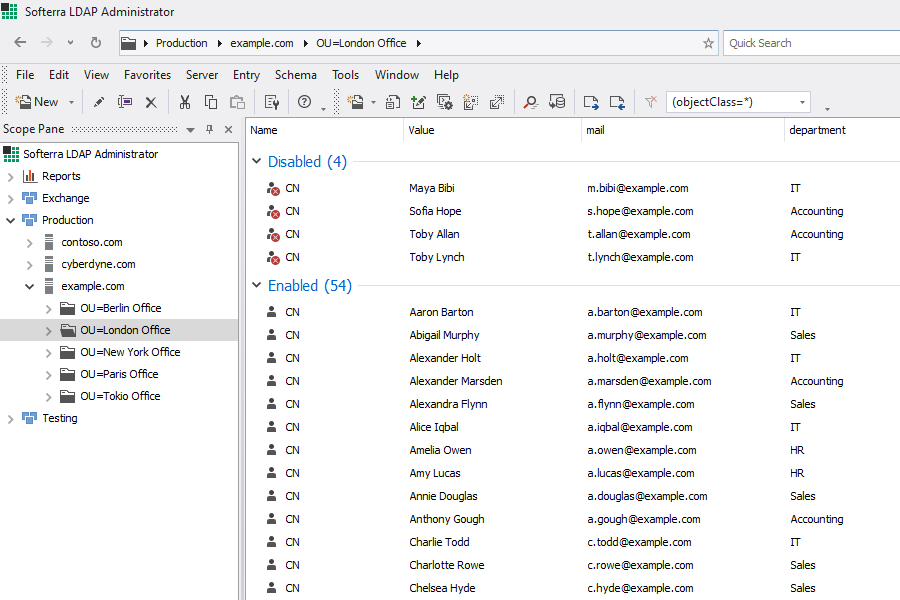
LDAP Administrator provides full support of LDAPv2 and LDAPv3 protocols and allows working with virtually any LDAP server: OpenLDAP, Netscape/iPlanet, Novell eDirectory, Oracle Internet Directory, Lotus Domino, Microsoft Active Directory, CA Directory, Siemens DirX, and others.
LDAP Administrator offers a solid reporting platform that facilitates the analysis and monitoring of LDAP directories. Besides a number of built-in reports, you can create custom reports to cover any scenario.
For maximum anonymity, the Tor Browser routes your traffic through a decentralized, volunteer-run network.
I can provide step-by-step instructions to set up a secure connection. Share public link proxy.xnxx.com
Modern VPNs use AES-256 encryption, making it impossible for ISPs or network admins to see what sites you visit. For maximum anonymity, the Tor Browser routes your
Searching for proxy.xnxx.com highlights a common desire to bypass content filters and maintain privacy online. However, typing unverified proxy links into your browser exposes your device to malware, data theft, and aggressive tracking. To ensure your digital safety and maintain a fast, uninterrupted connection, utilizing a trusted Virtual Private Network (VPN) or secure browser configuration is always the superior choice. Searching for proxy
Free public proxies are notoriously unstable. They suffer from severe bandwidth limitations, frequent downtime, and slow video buffering speeds because thousands of users are routing heavy video data through a single point. Safer Alternatives for Private and Unrestricted Browsing
When you route your traffic through a proxy server, the owner of that server has the technical capability to view the data passing through it. This can include: Your original IP address The exact pages you visit Unencrypted login credentials or personal data 3. Exposure to Malware