waydroid logo

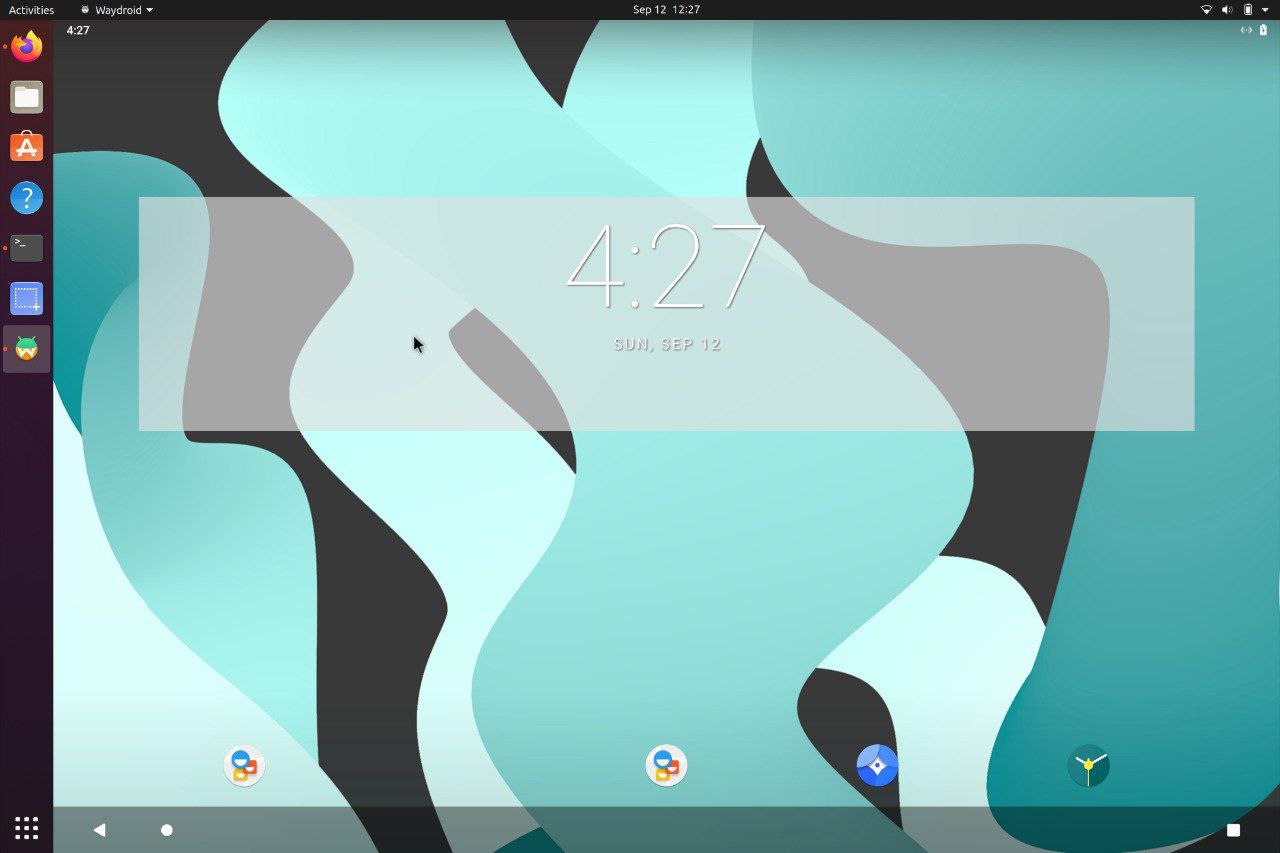
A container-based approach to boot a full Android system on regular GNU/Linux systems running Wayland based desktop environments.

shape shape

Updated — El Filibusterismo Kabanata 2130 Script Top

: El Filibusterismo buod, Kabanata 30 script, Simoun at Padre Florentino dialogue, Huli monologue, El Fili dula, script ng El Filibusterismo para sa paaralan.

Reform? Too messy. Let them eat… illusion.

The moment when the authorities clamp down on the students, highlighting the paranoia of the government. 4. Analytical Themes in These Chapters el filibusterismo kabanata 2130 script top

El Filibusterismo, written by Jose Rizal, is a novel that is considered one of the most important works of Philippine literature. The novel is a sequel to Rizal's earlier work, Noli Me Tangere, and continues to explore the themes of social commentary, politics, and reform. In this article, we will focus on Kabanata 21-30 of El Filibusterismo and provide a script top analysis of these chapters.

If it’s another lamp that explodes, I’m calling the police. : El Filibusterismo buod, Kabanata 30 script, Simoun

Julí (alone): “He said he would wait. But the priest’s hands… and Father Camorra’s smile. No. I cannot go home.” (She removes her scapular – a symbol of lost faith – and jumps.)

"El Filibusterismo," also known as "The Subversive," is the sequel to Rizal's first novel, "Noli Me Tangere." Both novels are considered essential reading for understanding the complexities of the Philippines under Spanish colonial rule. The chapters you're referring to (21-30) likely form part of the latter half of the book, which continues the story of the characters introduced in the first novel, delving deeper into themes of social critique, reform, and the struggle against oppressive colonialism. Let them eat… illusion

Pause. Lumapit si Paulita, pero lumayo si Isagani. Nagbaba ng kurtina.

These chapters are filled with intense dialogues and dramatic scenes perfect for theatrical adaptation: 1. The Play and the Politics (Kabanata 21-23)

Azotea. Gabi. May lamparang gas sa mesa. Nakatayo si Isagani, nakatingin sa kabila. Pumasok si Paulita.

About Us

Get your favourite Android Apps on Linux.

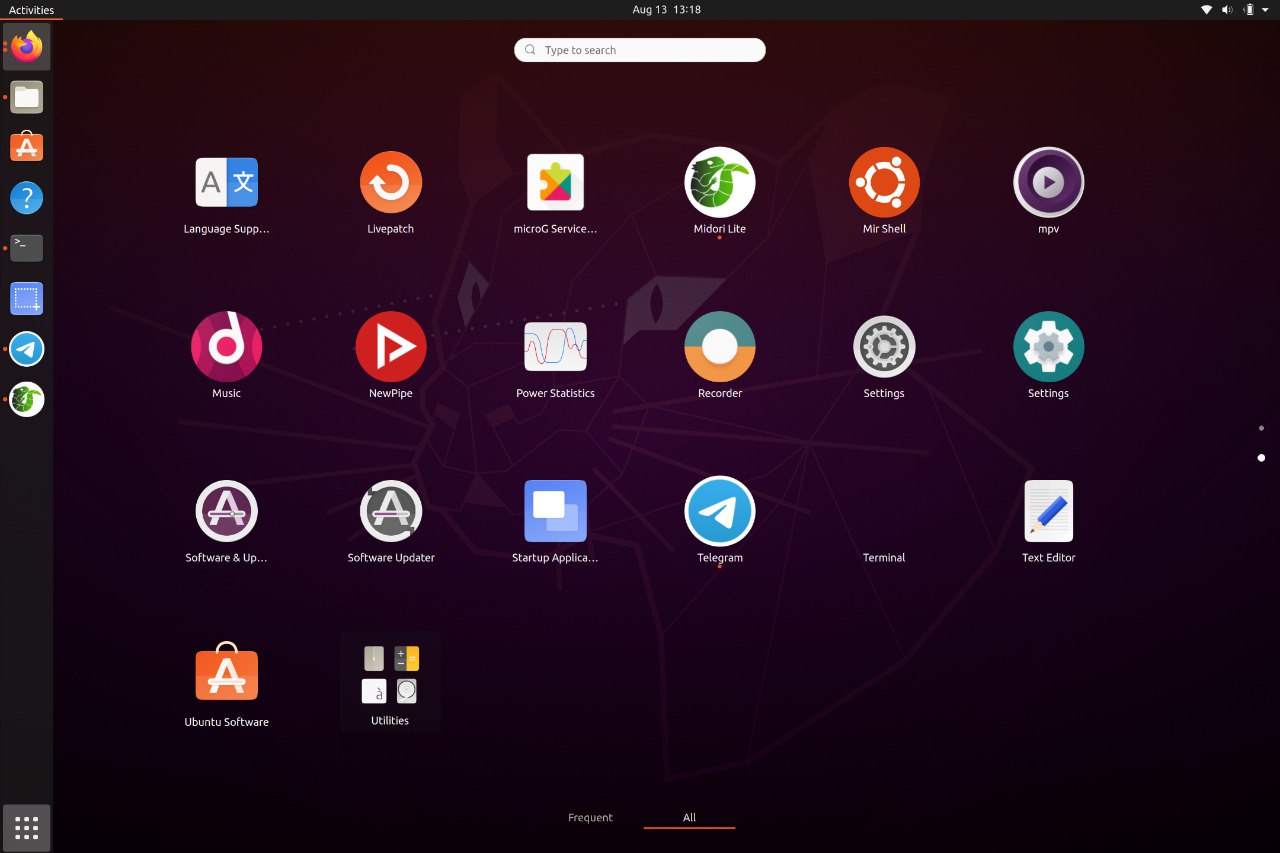
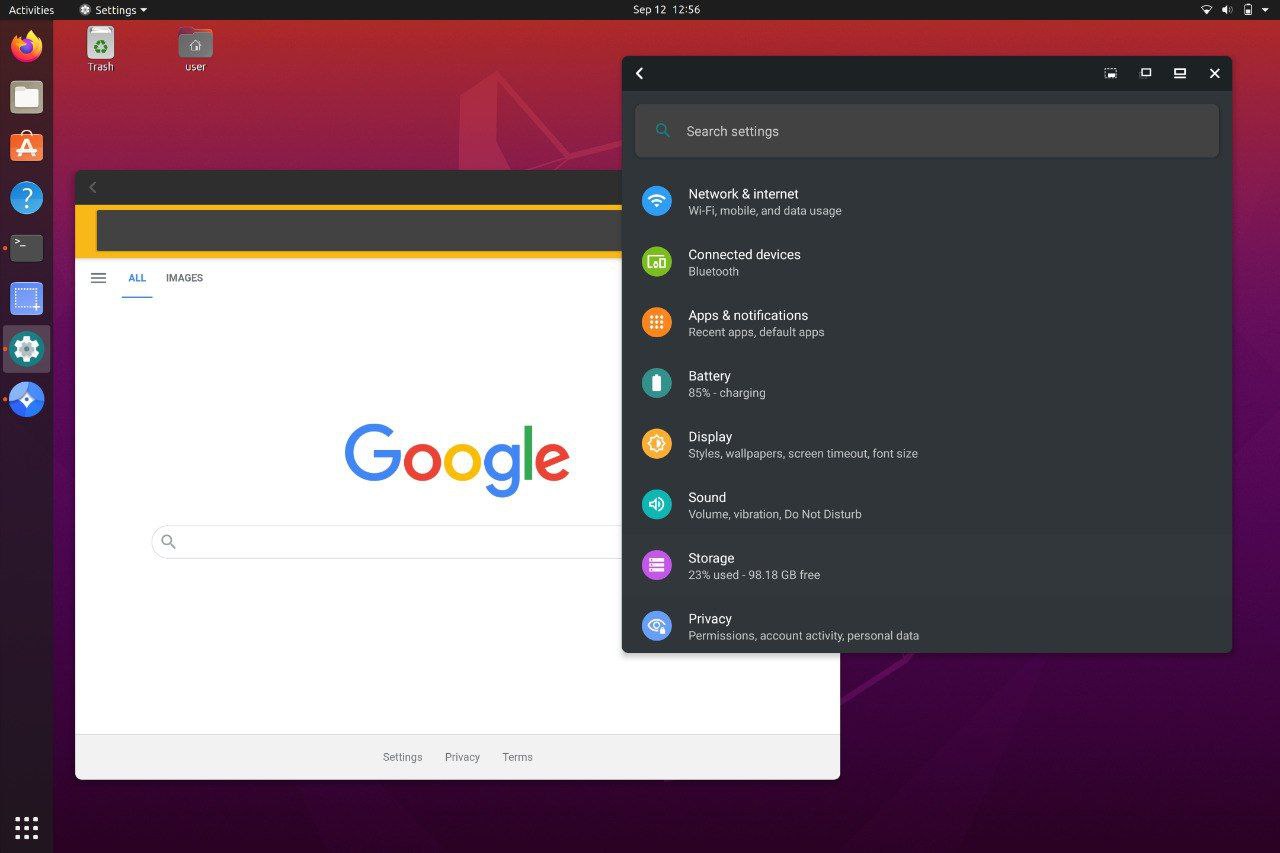
Waydroid brings all the apps you love, right to your desktop, working side by side your Linux applications.
The Android inside the container has direct access to needed hardwares.
The Android runtime environment ships with a minimal customized Android system image based on LineageOS. The used image is currently based on Android 13

Install Instructions
about-image
Docs

Our Documentation

Our documentation site can be found at docs.waydro.id

Bugs & Reports

Bug Reports can be filed on our repo Github Repo

Project Development

Our development repositories are hosted on Github

How to Install ?

Please refer to our installation docs for complete installation guide.

Manual Image Download

You can also manually download our images from

sourceforge logo SourceForge
shape
Instructions

Quick install reference

For systemd distributions

Waydroid supports most common architectures (ARM, ARM64, x86 & x86_64 CPUs)

Waydroid uses Android's mesa integration for passthrough, and that enables support to most ARM/ARM64 SOCs on the mobile side, and Intel/AMD GPUs for the PC side. For Nvidia GPUs (except tegra) and VMs, we recommend using software-rendering

Follow the install instructions for your linux distribution. You can find a list in our docs.

After installing you should start the waydroid-container service, if it was not started automatically:

sudo systemctl enable --now waydroid-container

Then launch Waydroid from the applications menu and follow the first-launch wizard.

If prompted, use the following links for System OTA and Vendor OTA:

https://ota.waydro.id/system

https://ota.waydro.id/vendor

For further instructions, please visit the docs site here

: El Filibusterismo buod, Kabanata 30 script, Simoun at Padre Florentino dialogue, Huli monologue, El Fili dula, script ng El Filibusterismo para sa paaralan.

Reform? Too messy. Let them eat… illusion.

The moment when the authorities clamp down on the students, highlighting the paranoia of the government. 4. Analytical Themes in These Chapters

El Filibusterismo, written by Jose Rizal, is a novel that is considered one of the most important works of Philippine literature. The novel is a sequel to Rizal's earlier work, Noli Me Tangere, and continues to explore the themes of social commentary, politics, and reform. In this article, we will focus on Kabanata 21-30 of El Filibusterismo and provide a script top analysis of these chapters.

If it’s another lamp that explodes, I’m calling the police.

Julí (alone): “He said he would wait. But the priest’s hands… and Father Camorra’s smile. No. I cannot go home.” (She removes her scapular – a symbol of lost faith – and jumps.)

"El Filibusterismo," also known as "The Subversive," is the sequel to Rizal's first novel, "Noli Me Tangere." Both novels are considered essential reading for understanding the complexities of the Philippines under Spanish colonial rule. The chapters you're referring to (21-30) likely form part of the latter half of the book, which continues the story of the characters introduced in the first novel, delving deeper into themes of social critique, reform, and the struggle against oppressive colonialism.

Pause. Lumapit si Paulita, pero lumayo si Isagani. Nagbaba ng kurtina.

These chapters are filled with intense dialogues and dramatic scenes perfect for theatrical adaptation: 1. The Play and the Politics (Kabanata 21-23)

Azotea. Gabi. May lamparang gas sa mesa. Nakatayo si Isagani, nakatingin sa kabila. Pumasok si Paulita.

Our Team

Meet The Team

Here are the members of our team

team
shape shape
Erfan Abdi
@erfanoabdi
Lead Developer
team
shape shape
Alessandro Astone
@aleasto
Developer
team
shape shape
Jon West
@electrikjesus
Developer
team
shape shape
Radek Błędowski
@RKBDI
Designer