"Convert Jar To Mcaddon" appears to describe a conversion or migration process between two package or module formats: a Java ARchive (JAR) and a format named "Mcaddon." Since "JAR" is a standard Java packaging format, this discourse treats the task as converting or adapting a Java-based artifact (code, resources, libraries) packaged as a JAR into the Mcaddon format used by a target platform that expects Mcaddon packages.
This means the game reads the behavior pack logic but cannot find the texture or 3D geometry mapping. Check your textures/terrain_texture.json or textures/item_texture.json files for typographical errors.
The industry standard for converting Java models/textures into Bedrock geometry. Step-by-Step Conversion Strategy 1. Extract the .jar Assets
Because these formats aren't compatible, you must manually extract the assets and re-code the logic: Extract the .jar Assets : Change the extension from
Download a Java decompiler like or use Bytecode Viewer . Open the .jar mod file inside the decompiler.
Nebula (formerly part of Bridge.) or Bedrock Converter Tools found on community sites like MCPEDL.
When you attempt to convert JAR to McAddon, expect these errors:
Let's walk through a real partial conversion of the famous mod (adds copper, tin, and mythril).
Open Blockbench and choose to import your existing Java model file. Once loaded, go to File > Convert Project .
MASSAGE
SEND
×The message has been sent!
In the near future we will reply to you.
Regards WDS
|
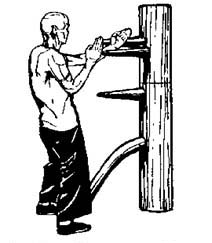
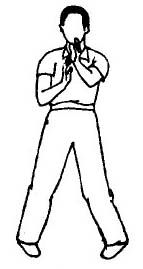
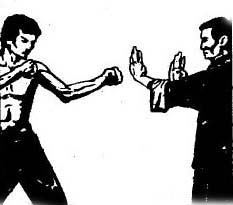
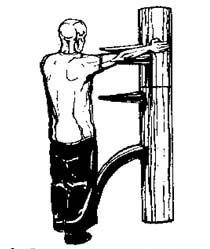
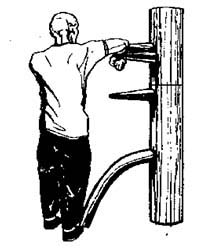
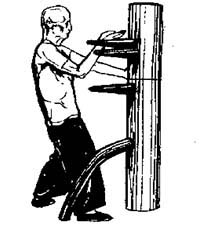
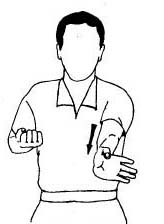
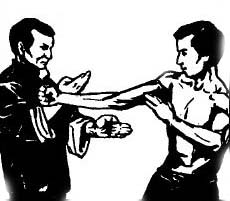
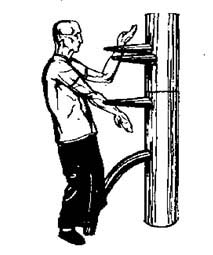
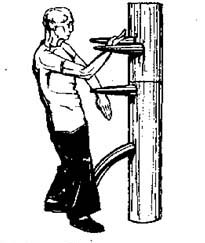
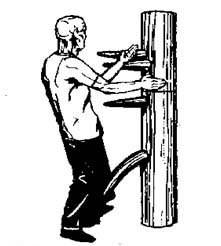
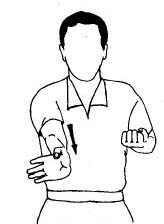
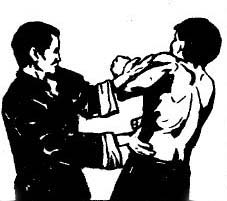
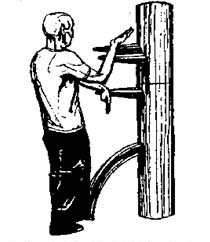
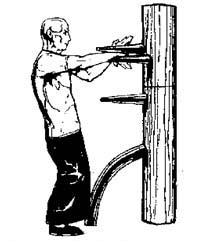
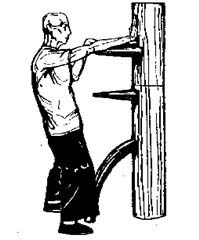
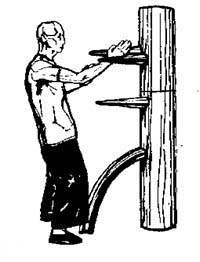
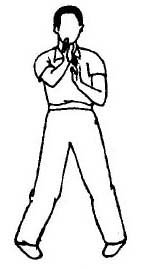
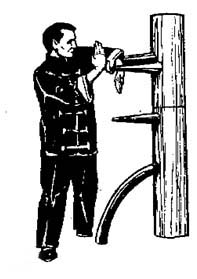
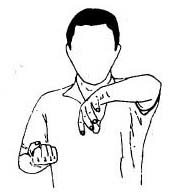
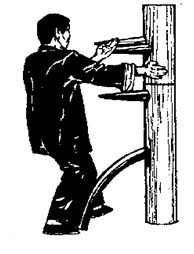
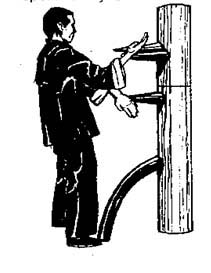
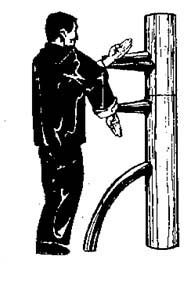
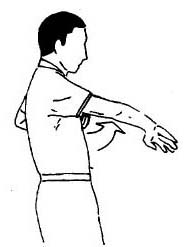
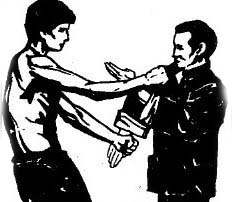
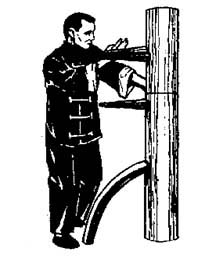
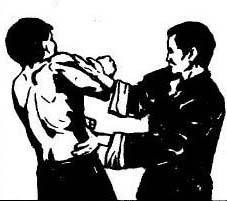
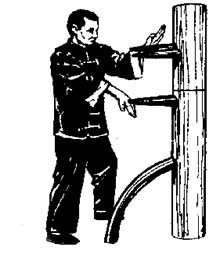
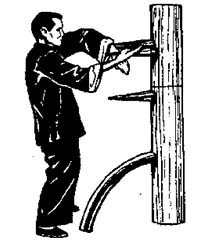
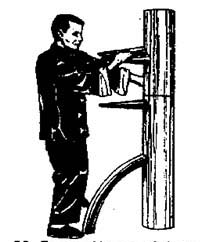
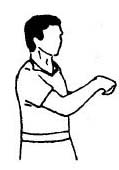
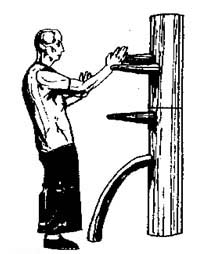
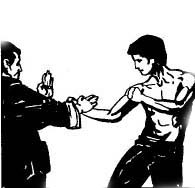
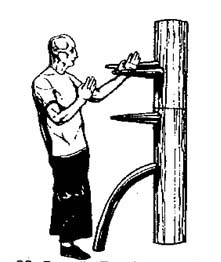
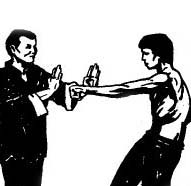
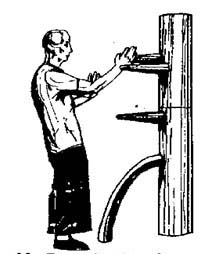
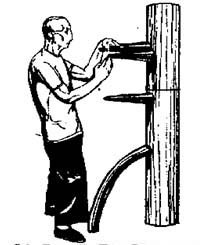
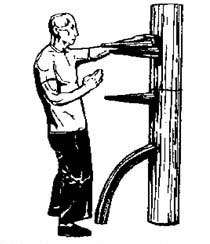
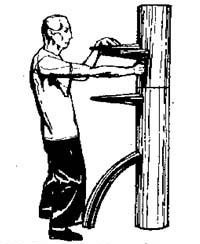
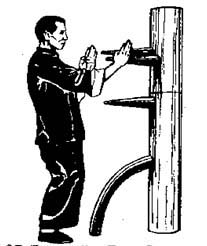
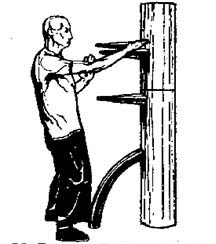
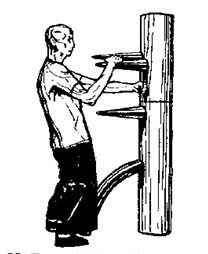
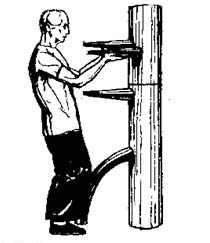
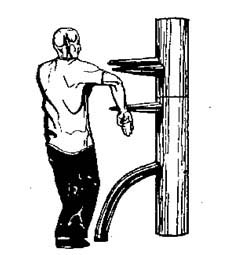
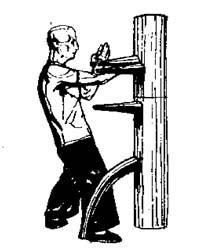
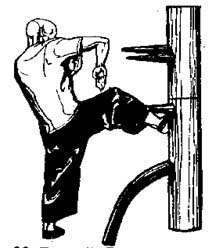
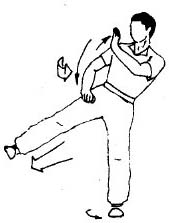
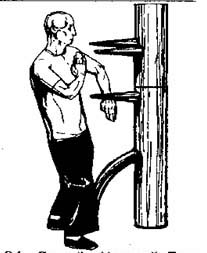
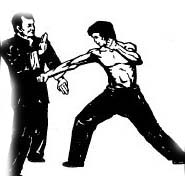
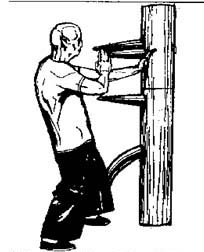
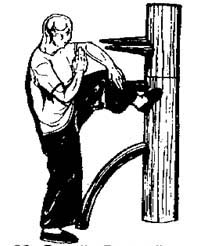
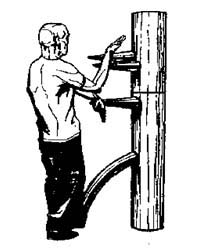
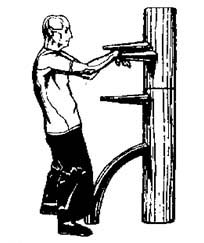
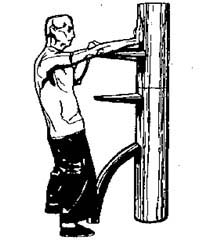
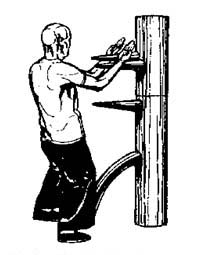
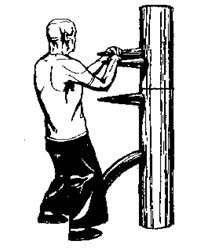
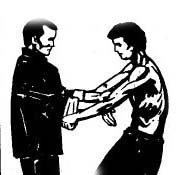
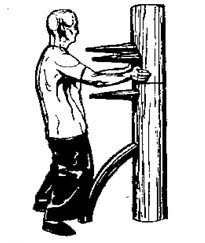
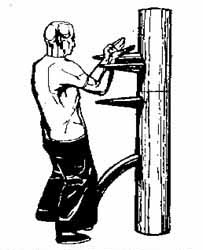
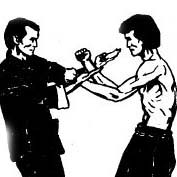
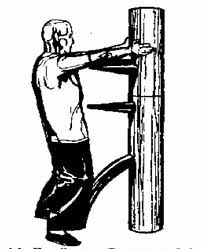
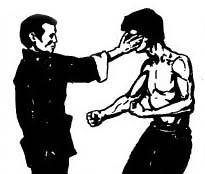
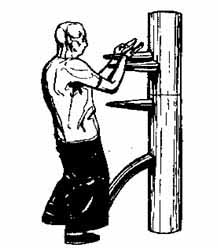
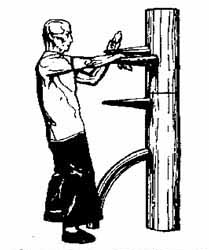
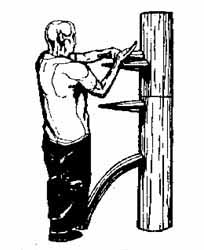
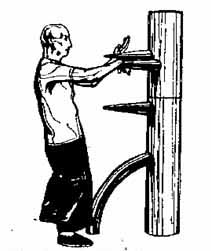
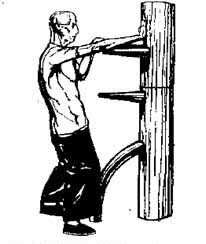
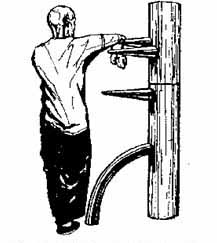
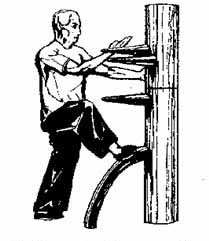
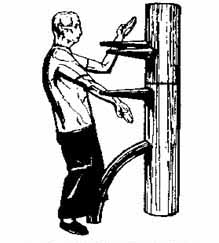
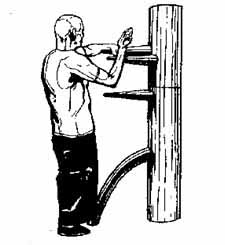
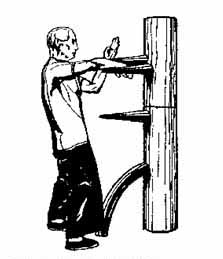
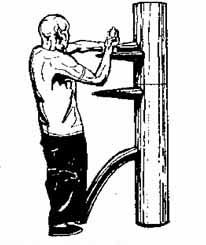
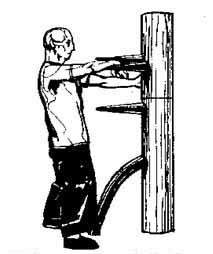
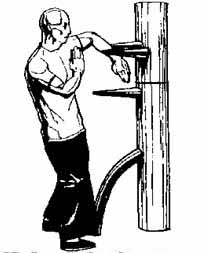
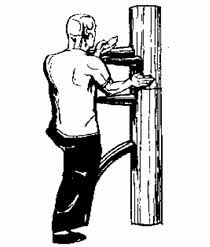
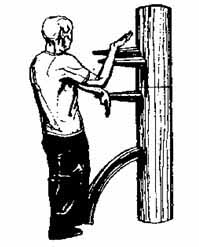
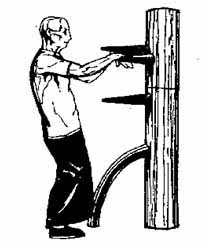
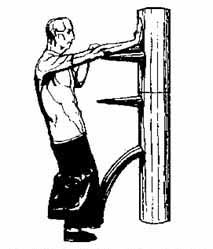
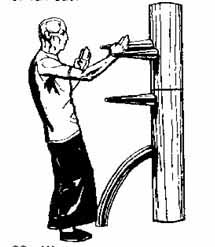
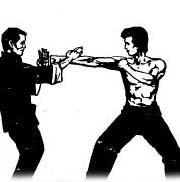
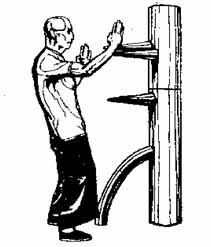
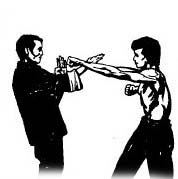
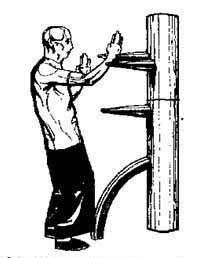
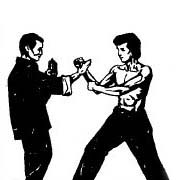
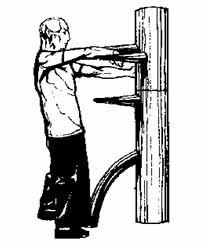
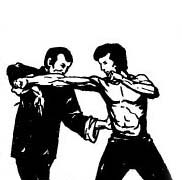
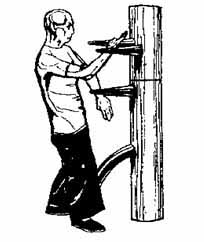
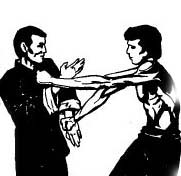
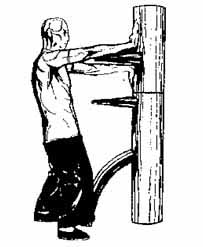
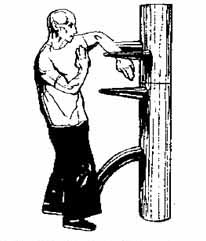
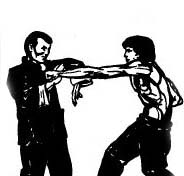
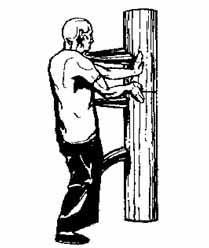
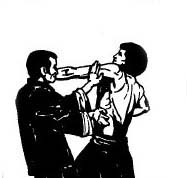
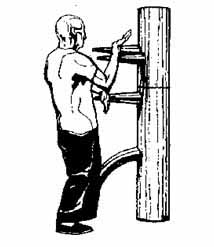
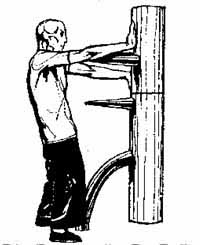
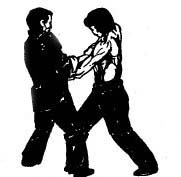
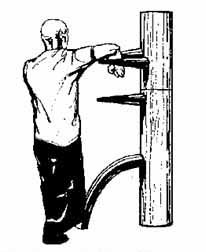
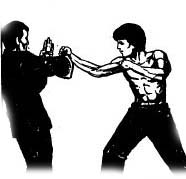
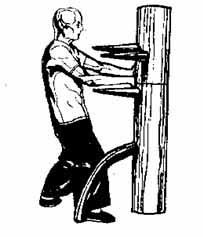
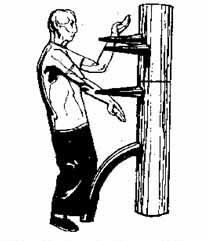
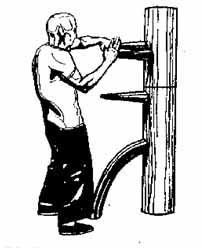
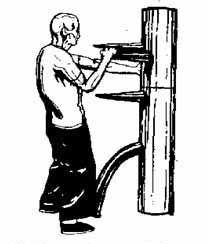
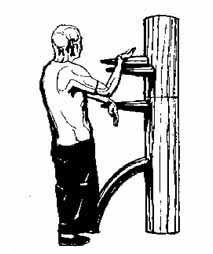
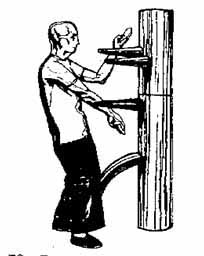
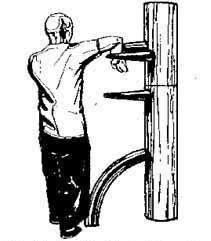
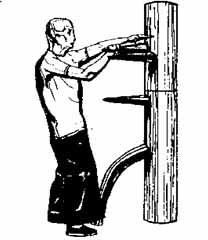
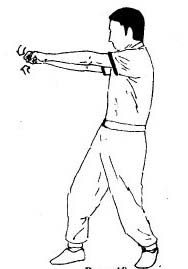
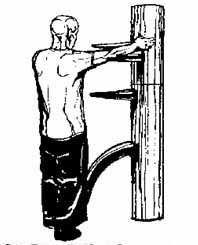
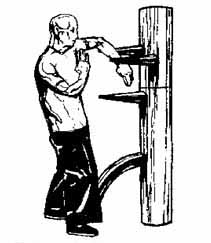
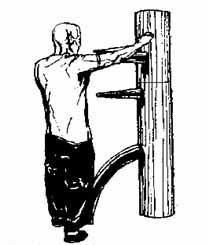
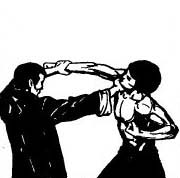
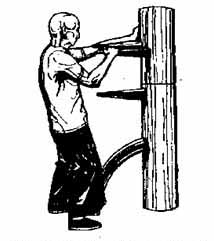
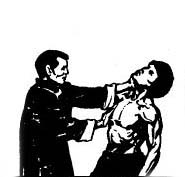
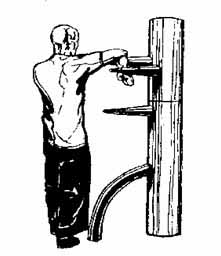
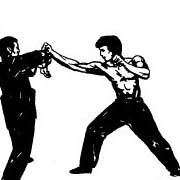
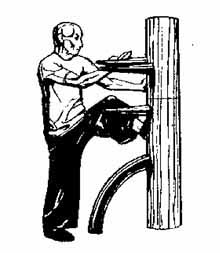
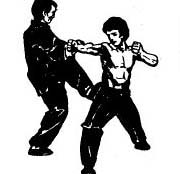
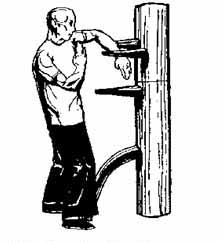
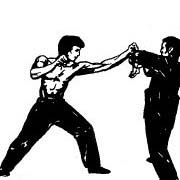
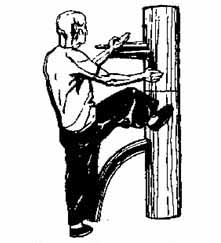
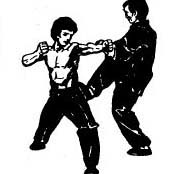
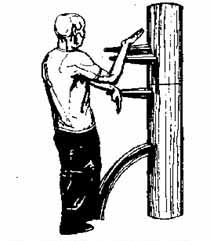
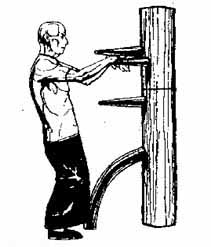
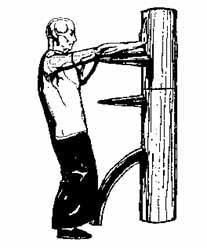
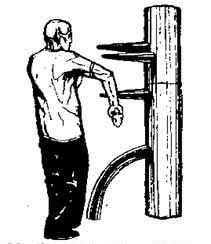
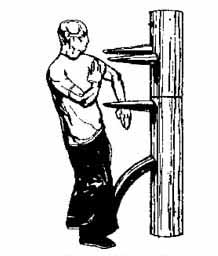
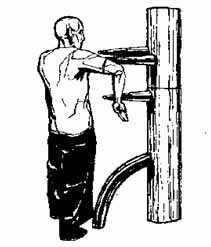
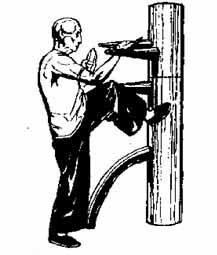
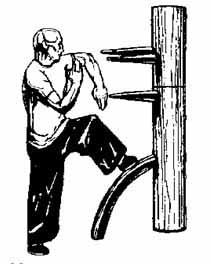
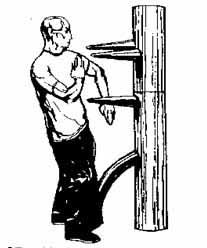
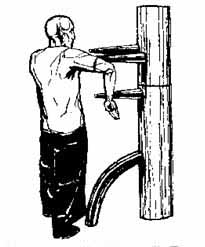
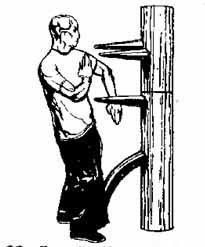
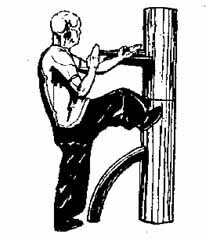
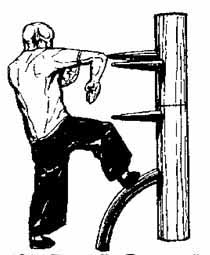
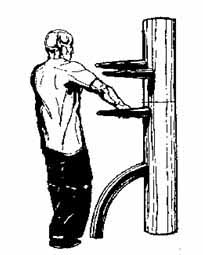
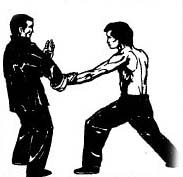
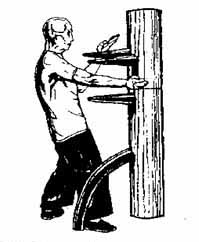
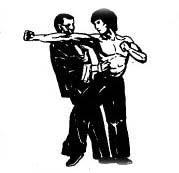
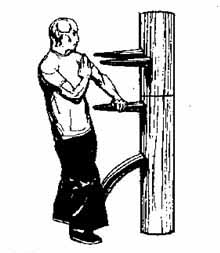
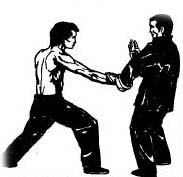
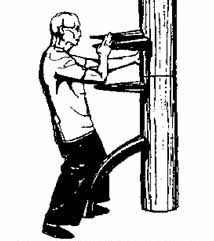
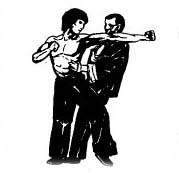
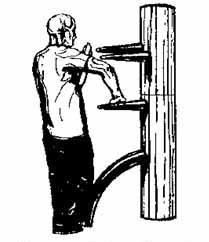
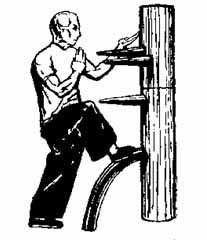
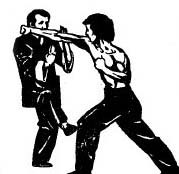
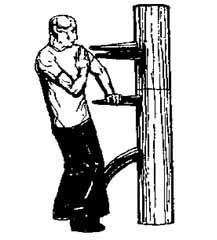
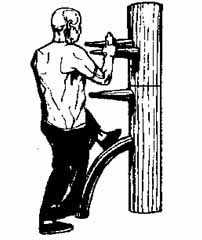
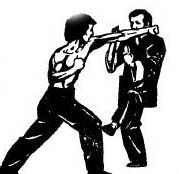
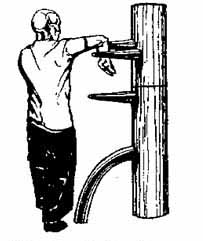
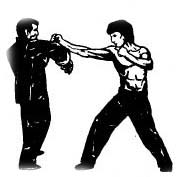
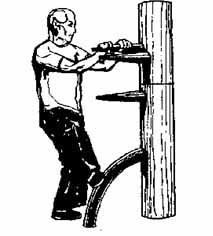
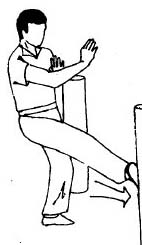
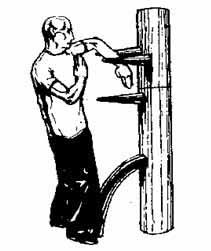
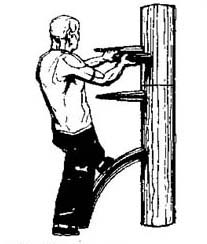
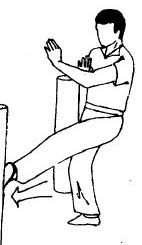
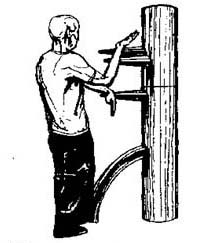
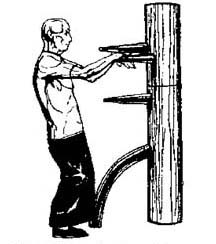
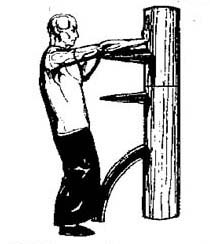
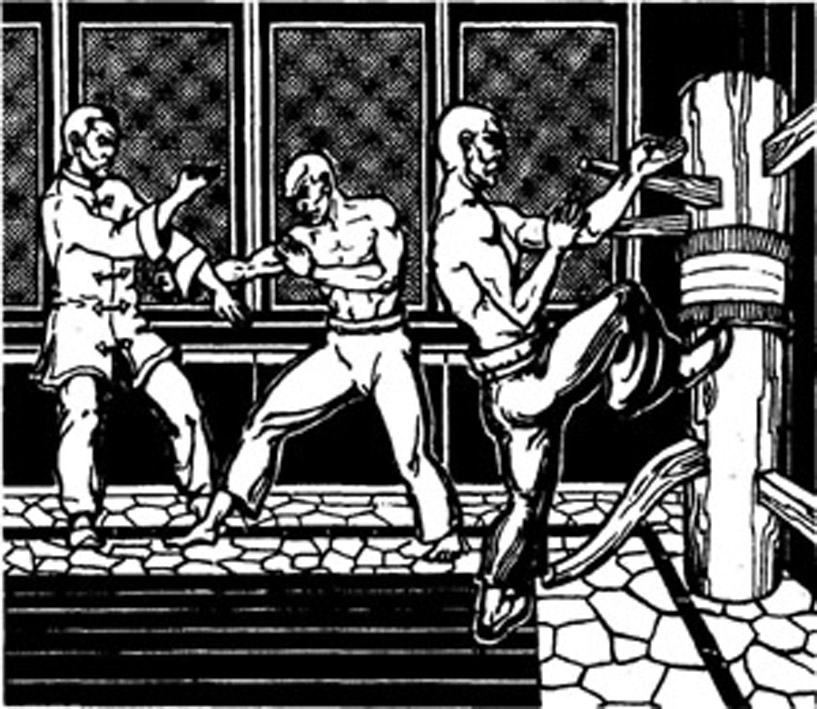
The Dummy - a versatile design, the system of life and knowledge generated of nowhere. The story of the dummy requires a separate investigation and treatment of the ancient treatises, and primary sources. But enough evidence to suggest that the history of a WD the longer of Wing Chun history as an independent style. Will there be a dummy to before create a Wing Chun or Wing Chun has appeared before - difficult to resolve the problem, which requires special studies.
|
| SECTION 1 | ||
![]() |
![]() |
![]() |
![]() |
![]() |
![]() |
![]() |
![]() |
![]() |
![]() |
![]() ![]() |
![]() |
![]() |
![]() |
![]() |
![]() |
![]() ![]() |
![]() |
![]() |
![]() ![]() |
![]() |
![]() |
![]() |
![]() |
![]() |
![]() |
![]() |
![]() |
![]() |
![]() |
| SECTION 2 | ||
![]() |
![]() |
![]() |
![]() |
![]() |
![]() |
![]() |
![]() |
![]() |
![]() |
![]() ![]() |
![]() |
![]() |
![]() |
![]() |
![]() |
![]() ![]() |
![]() |
![]() |
![]() ![]() |
![]() |
![]() |
![]() |
![]() |
![]() |
![]() |
![]() |
![]() |
![]() |
![]() |
| SECTION 3 | ||
![]() |
![]() |
![]() |
![]() |
![]() |
![]() |
![]() |
![]() |
![]() |
![]() |
![]() |
![]() |
![]() |
![]() |
![]() |
![]() |
![]() ![]() |
![]() |
![]() |
![]() |
![]() |
![]() |
![]() |
![]() |
![]() |
![]() ![]() |
![]() |
![]() |
||
| SECTION 4 | ||
![]() |
![]() |
![]() |
![]() |
![]() |
![]() |
![]() |
![]() |
![]() |
![]() |
![]() |
![]() |
![]() |
![]() ![]() |
![]() |
![]() |
![]() |
![]() |
![]() |
![]() |
![]() |
![]() |
![]() |
![]() |
![]() |
![]() |
![]() |
| SECTION 5 | ||
![]() |
![]() ![]() |
![]() |
![]() |
![]() ![]() |
![]() |
![]() |
![]() ![]() |
![]() |
![]() |
![]() ![]() |
![]() |
![]() |
![]() ![]() |
![]() |
![]() |
![]() ![]() |
![]() |
![]() |
![]() |
![]() |
![]() |
![]() |
![]() |
![]() |
![]() |
![]() |
![]() |
![]() |
![]() |
![]() |
![]() |
![]() |
![]() |
![]() |
![]() |
![]() |
![]() |
![]() |
![]() |
![]() |
![]() |
![]() |
![]() |
![]() |
![]() |
![]() |
![]() |
![]() |
![]() ![]() |
![]() |
![]() |
![]() |
![]() |
![]() |
![]() ![]() |
![]() |
![]() |
![]() |
![]() |
![]() |
![]() |
![]() |
![]() |
![]() |
![]() |
| SECTION 6 | ||
![]() |
![]() |
![]() |
![]() |
![]() |
![]() |
![]() |
![]() |
![]() |
![]() |
![]() |
![]() |
![]() |
![]() |
![]() |
![]() |
![]() ![]() |
![]() |
![]() |
![]() |
![]() |
![]() |
![]() ![]() |
![]() |
![]() |
![]() |
![]() |
![]() |
![]() ![]() |
![]() |
![]() |
![]() |
![]() |
![]() |
![]() ![]() |
![]() |
![]() |
![]() |
![]() |
![]() |
![]() |
![]() |
![]() |
![]() |
![]() |
| SECTION 7 | ||
![]() |
![]() |
![]() |
![]() |
![]() |
![]() |
![]() |
![]() |
![]() |
![]() |
![]() ![]() |
![]() |
![]() |
![]() |
![]() |
![]() |
![]() |
![]() |
![]() |
![]() ![]() |
![]() |
![]() |
![]() |
![]() |
![]() |
![]() |
![]() |
![]() |
![]() ![]() |
![]() |
![]() |
![]() |
![]() |
![]() |
![]() ![]() |
![]() |
![]() |
![]() |
![]() |
![]() |
![]() |
![]() |
![]() |
![]() |
![]() |
| SECTION 8 | ||
![]() |
![]() |
![]() |
![]() |
![]() |
![]() |
![]() |
![]() |
![]() |
![]() |
![]() ![]() |
![]() |
![]() |
![]() |
![]() |
![]() |
![]() |
![]() |
![]() |
![]() |
![]() |
![]() |
![]() |
![]() |
![]() |
![]() ![]() |
![]() |
![]() |
![]() |
![]() |
![]() |
![]() |
![]() |
![]() |
![]() ![]() |
![]() |
![]() |
![]() |
![]() |
![]() |
![]() ![]() |
![]() |
![]() |
![]() |
![]() |
![]() |
![]() ![]() |
![]() |
![]() |
![]() |
![]() |
![]() |
![]() ![]() |
![]() |
![]() |
![]() |
![]() |
![]() |
![]() ![]() |
![]() |
![]() |
![]() |
![]() |
![]() |
![]() |
![]() |
![]() |
![]() |
![]() |
![]() |
![]() |
![]() |
![]() |
![]() |
![]() |
"Convert Jar To Mcaddon" appears to describe a conversion or migration process between two package or module formats: a Java ARchive (JAR) and a format named "Mcaddon." Since "JAR" is a standard Java packaging format, this discourse treats the task as converting or adapting a Java-based artifact (code, resources, libraries) packaged as a JAR into the Mcaddon format used by a target platform that expects Mcaddon packages.
This means the game reads the behavior pack logic but cannot find the texture or 3D geometry mapping. Check your textures/terrain_texture.json or textures/item_texture.json files for typographical errors.
The industry standard for converting Java models/textures into Bedrock geometry. Step-by-Step Conversion Strategy 1. Extract the .jar Assets Convert Jar To Mcaddon
Because these formats aren't compatible, you must manually extract the assets and re-code the logic: Extract the .jar Assets : Change the extension from
Download a Java decompiler like or use Bytecode Viewer . Open the .jar mod file inside the decompiler. "Convert Jar To Mcaddon" appears to describe a
Nebula (formerly part of Bridge.) or Bedrock Converter Tools found on community sites like MCPEDL.
When you attempt to convert JAR to McAddon, expect these errors: Open the
Let's walk through a real partial conversion of the famous mod (adds copper, tin, and mythril).
Open Blockbench and choose to import your existing Java model file. Once loaded, go to File > Convert Project .