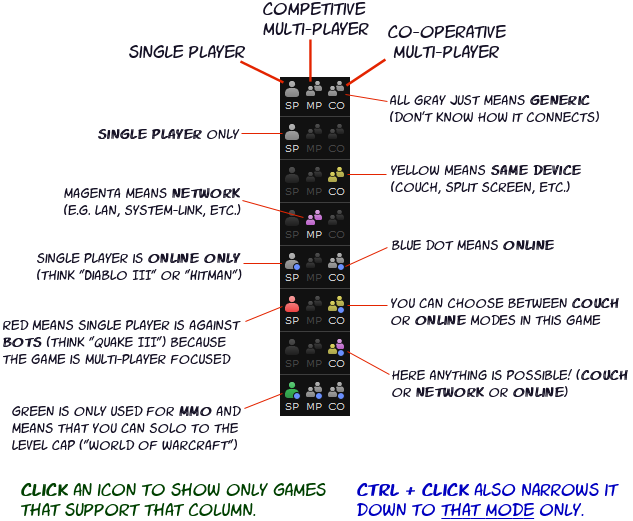
Modes Column
: Critics argued that the measures were "security theater"—costly procedures that provided the appearance of safety without significantly increasing actual security. Political Fallout
Civil liberties groups, including the Electronic Privacy Information Center (EPIC), filed lawsuits demanding an immediate halt to the scanners, citing violations of the Fourth Amendment.
In early 2010, airports began deploying two primary types of full-body imaging technologies:
The phrase “cfnm net airport 2010 politics” reads like a line from an alternate reality game—a cryptic string pulling together an obscure corner of the internet, a public transportation hub, a specific year, and the realm of governance. At first glance, the elements seem irreconcilable. How could a sexual subculture, an adult website, and airport security possibly intersect with political history? The answer lies in a fascinating and often overlooked moment in digital culture: the 2010 worldwide debate over full-body airport scanners. This article dives deep into the convergence of niche fetish communities, online platforms, and real-world political controversy, using the search phrase as a lens to explore how the internet blurs the lines between private fantasy and public policy. cfnm net airport 2010 politics
The "CFNM" acronym in this context is often associated with online privacy advocacy and specific protest movements that criticized the "virtual strip search" nature of these scanners. The 2010 Airport Security Controversy
In summary, the intersection of airport security, politics, and privacy concerns in 2010 was marked by a series of debates and developments. These included the implementation of new security technologies, public and political discussions about privacy and security, and efforts to find a balance that respected individual freedoms while ensuring public safety.
In late 2009 and throughout 2010, the Transportation Security Administration (TSA) in the United States aggressively rolled out Advanced Imaging Technology (AIT)—commonly known as full-body scanners or "naked scanners." Following the failed "underwear bomber" attempt on Christmas Day in 2009, airports quickly became hyper-securitized environments. : Critics argued that the measures were "security
The CFNM controversy of 2010 was a complex issue that highlighted the intersection of politics, airport security, and civil liberties. As we look back on the events of that year, it is clear that the debate over airport security remains a contentious issue, with no easy solutions in sight. However, by examining the politics and debates of the time, we can gain a deeper understanding of the complex issues at play and the ongoing challenges of balancing security and liberty in the post-9/11 world.
The year 2010 was significant for various reasons, including the midterm elections in the United States, which saw a shift in the balance of power in Congress. However, another aspect that garnered attention during this time was the implementation of new airport security measures, partly in response to intelligence gathered on potential terrorist threats. One particular aspect of this was the increased focus on passengers who might be considered "CFNM" – an acronym that stands for "Clothed Female, Naked Male."
He closed his eyes. Outside the window, the lights of the 2010 election cycle flickered like an oncoming storm. He had never felt more naked in his life. And in the politics of that bitter, anxious autumn, that was exactly the point. At first glance, the elements seem irreconcilable
: Legal scholars and activists questioned whether the new "all-body" scans and aggressive pat-downs constituted "unreasonable searches and seizures." Security Theater
2010 was the last year before smartphones fully colonized our attention, but after social media made every airport traveler a potential journalist. The power dynamics of — metaphorically CFNM — were being rewritten by:
When the boarding call finally came, he shuffled forward, clutching his boarding pass. As he passed the jet bridge, Dana leaned in. “Good job. The veterans’ shelter just got a $50,000 anonymous donation from a ‘concerned group of female staffers.’ Don’t forget who writes the floor schedule.”
This web site makes extensive use of JavaScript.
Please enable JavaScript in your web browser and then refresh this page.