
Bojack Horseman Kurdish [upd]

bojack horseman kurdish

Outline and History

Good statistical understanding can be easy to learn and should be accessible to everyone. It is invaluable for informed decision making across disciplines and education levels. The software development has been led by Africa talent and is intended for a broad-multilingual audience.

R-Instat provides a front-end to R, designed to broaden the users of the software, particularly in Africa. "R is an open-source programming language and software environment for statistical computing and graphics that is supported by the R Foundation for Statistical Computing. The R language is widely used among statisticians and data miners for developing statistical software and data analysis."

R’s reputation has grown incredibly in recent years. General information about R is here and it’s early history is given here. The original Instat was an easy-to-use statistics package, produced at the University of Reading, UK. It was designed to support good statistical practice and included a special menu for the analysis of historical climatic data. The ideas behind Instat have motivated the structure of the R-Instat menus and dialogues, though no line of the original code remains.

R-Instat started thanks to a crowd-sourcing campaign in 2015. This 3 minute video from the original campaign outlines the need for this software.
Bojack Horseman Kurdish [upd]

If you are a Kurdish speaker looking to dive into the abyss, here is the current state of access:

For the first time in years, BoJack didn't feel the need to make a sarcastic remark. He just nodded and drank his tea.

Many Kurds in the diaspora, especially those from Turkey, Iran, Iraq, and Syria, grapple with a fractured sense of identity. They are "from" a place but do not fully belong to their host country. This feeling of being a perpetual outsider, of being lost and searching for a solid identity, is a core theme of BoJack Horseman . Characters like Diane Nguyen, a Vietnamese-American writer who constantly struggles with feeling disconnected from her heritage, are especially relevant. bojack horseman kurdish

BoJack Horseman is an American animated television series created by Raphael Bob-Waksberg. The show is a comedy-drama that explores the life of BoJack, a washed-up actor who also happens to be a horse.

BoJack Horseman is a show that insists on discomfort: it refuses neat moral resolution, trades easy catharsis for slow, grinding honesty. Seen from a Kurdish perspective, that discomfort acquires new contours — shaped by collective memory, exile, language loss, and the weary humor that keeps people standing. This column explores what BoJack’s grief, satire, and fragile attempts at repair can teach and reflect for Kurdish viewers and creators. If you are a Kurdish speaker looking to

If you're interested in learning more about the show or discussing its themes and representation, I'd be happy to help!

BoJack, she chirped, her voice a sharp contrast to his gloom. I’ve got something big. International big. Cultural big. They are "from" a place but do not

(Life is like Bojack Horseman. It never gets better; you just get louder.)

He is still a washed-up sitcom star, but his fame comes from a legendary 90s sitcom called Korek’s Full House (a play on local TV nostalgia). He is heavier, wearing a loose, unbuttoned shirt, sweating in the heat. His existential dread is voiced not in therapy sessions with a human, but in late-night conversations with the taxi drivers who know everyone’s business. He carries the weight of his ancestors, his mother’s cruelty echoing in the stone walls of the house. He is a horse who feels he has been bridled by a culture that values collective honor over individual desire—a desire he relentlessly, destructively pursues.

Moreover, the episode has helped to challenge stereotypes and misconceptions about the Kurdish people, promoting a more nuanced and accurate understanding of their experiences.

Documentation

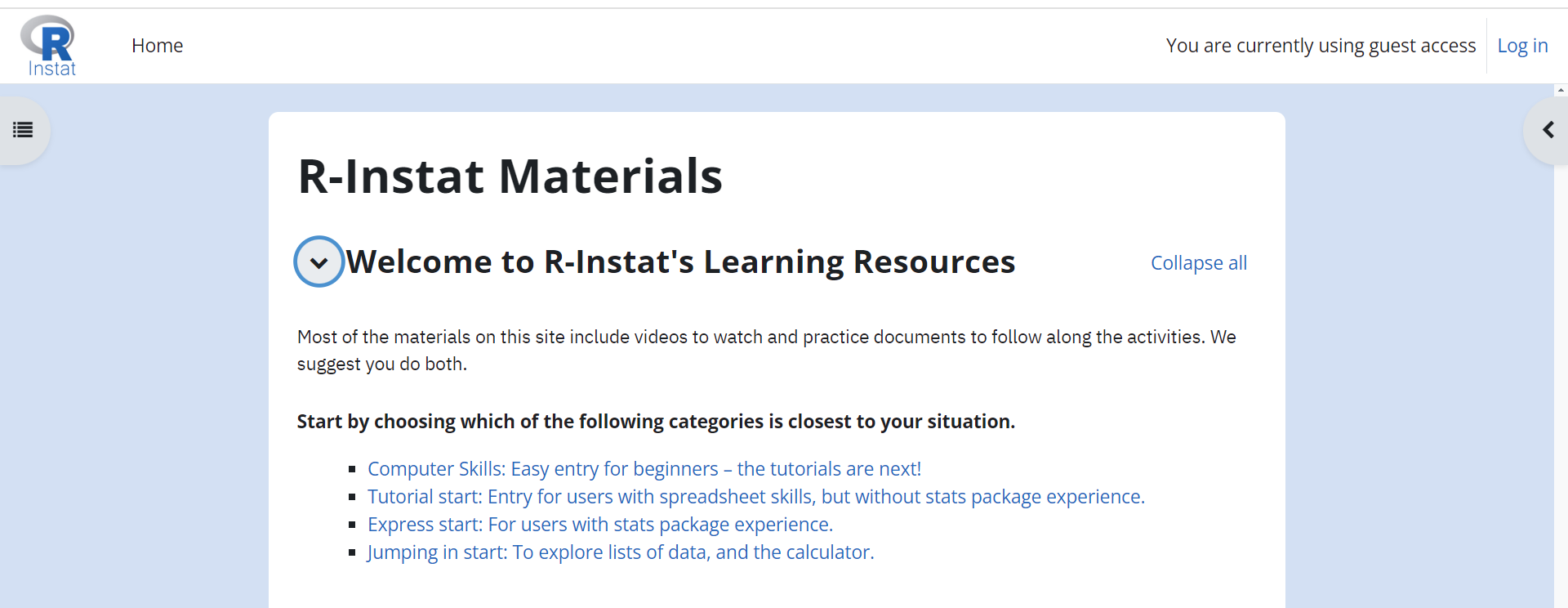
Documentation for R-Instat’s core features, along with tutorials and guides, is available online ecampus.r-instat.org.

bojack horseman kurdish

If you are a Kurdish speaker looking to dive into the abyss, here is the current state of access:

For the first time in years, BoJack didn't feel the need to make a sarcastic remark. He just nodded and drank his tea.

Many Kurds in the diaspora, especially those from Turkey, Iran, Iraq, and Syria, grapple with a fractured sense of identity. They are "from" a place but do not fully belong to their host country. This feeling of being a perpetual outsider, of being lost and searching for a solid identity, is a core theme of BoJack Horseman . Characters like Diane Nguyen, a Vietnamese-American writer who constantly struggles with feeling disconnected from her heritage, are especially relevant.

BoJack Horseman is an American animated television series created by Raphael Bob-Waksberg. The show is a comedy-drama that explores the life of BoJack, a washed-up actor who also happens to be a horse.

BoJack Horseman is a show that insists on discomfort: it refuses neat moral resolution, trades easy catharsis for slow, grinding honesty. Seen from a Kurdish perspective, that discomfort acquires new contours — shaped by collective memory, exile, language loss, and the weary humor that keeps people standing. This column explores what BoJack’s grief, satire, and fragile attempts at repair can teach and reflect for Kurdish viewers and creators.

If you're interested in learning more about the show or discussing its themes and representation, I'd be happy to help!

BoJack, she chirped, her voice a sharp contrast to his gloom. I’ve got something big. International big. Cultural big.

(Life is like Bojack Horseman. It never gets better; you just get louder.)

He is still a washed-up sitcom star, but his fame comes from a legendary 90s sitcom called Korek’s Full House (a play on local TV nostalgia). He is heavier, wearing a loose, unbuttoned shirt, sweating in the heat. His existential dread is voiced not in therapy sessions with a human, but in late-night conversations with the taxi drivers who know everyone’s business. He carries the weight of his ancestors, his mother’s cruelty echoing in the stone walls of the house. He is a horse who feels he has been bridled by a culture that values collective honor over individual desire—a desire he relentlessly, destructively pursues.

Moreover, the episode has helped to challenge stereotypes and misconceptions about the Kurdish people, promoting a more nuanced and accurate understanding of their experiences.

Contact

To report issues or bugs with the software, please post an issue on our Github Issues page.

We are more than happy to welcome any developer to take on the task of making R-Instat better.

We welcome you to get a copy of source code in our Github page.