
LOADING
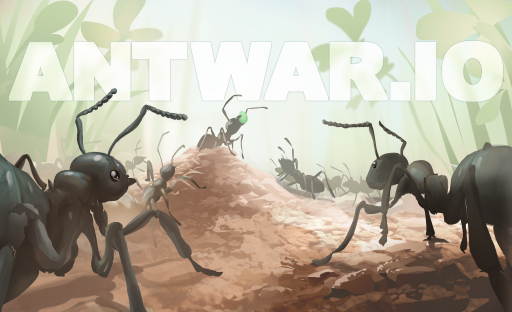
AntWar.io is a fun multiplayer IO game where you play as an ant. Defend your colony and defeat your enemies. Build your ant empire and work with other players to win. AntWar is the best ants .io game available for free, better than all other online ant games!
Forage for food, hunt for bugs and insects, defend your queen, and grow your colony. AntWar.io is inspired a bit by other ant games, but a lot of the inspiration comes from ants in real life. Ant wars, aphid farming, etc. are all something ants do naturally!
If you are interested in learning more about ants or ant keeping check out r/antkeeping on Reddit.
AntWar.io is owned and developed by Bombsight Games. We can be contacted there or by emailing .
Feel free to contact us with ideas you may have!
In an Indian home, the kitchen is more than a place to cook; it is the headquarters. Imagine a grandmother sitting on a small stool, peeling garlic while her daughter-in-law stirs a pot of dal. They aren't just prepping food; they are transferring oral histories, venting about neighbors, and teaching the "secret" pinch of garam masala that makes their family recipe unique. Food is the primary language of affection. If an Indian mother asks, "Have you eaten?" she is actually saying, "I love you." Evenings and the "Soap Opera" Hour
The core of an Indian household is a vibrant blend of deep-rooted traditions, shared responsibilities, and modern ambitions. While the physical structure of Indian families is shifting from multi-generational joint households to urban nuclear setups, the underlying values of community, respect, and togetherness remain unchanged.
The clash between traditional expectations and millennial/Gen-Z independence is a defining narrative of modern Indian life. Young Indians are asserting autonomy over career paths, lifestyle choices, and marriage timing. However, this independence is unique: it is rarely pursued via a complete break from the family. Instead, youth invest significant effort into earning parental approval, prioritizing harmony over absolute individual rebellion. 6. Daily Life Stories: Vignettes of the Everyday Bhabhi ki nangi photo indian
A column featuring funny, poignant snippets of dialogue from local trains and vegetable markets.
To help tailor more insights or stories about this vibrant lifestyle, let me know: In an Indian home, the kitchen is more
Dinner in an Indian home is rarely a solitary affair; it is a collective experience. It is typically served later than in Western cultures, often between 8:30 PM and 10:00 PM, ensuring that working parents have returned home.
Daily life is often punctuated by small but meaningful rituals that maintain a sense of connection and respect: Food is the primary language of affection
These stories offer a glimpse into the daily lives of Indian families, showcasing the diversity, complexity, and richness of their experiences. Through their struggles and triumphs, Indian families continue to inspire and fascinate, offering valuable insights into the human condition.
As family members return home, the "evening tea" ritual takes place. Chai is not just a beverage; it is a daily town hall meeting. Served with savory snacks like samosas or biscuits, this is when families decompress, discuss politics, and debate neighborhood gossip.
Navigating the conflict between Saas-Bahu serials, cricket matches, and prime-time news. 4. Modern Transitions